Materials Science
49 articles
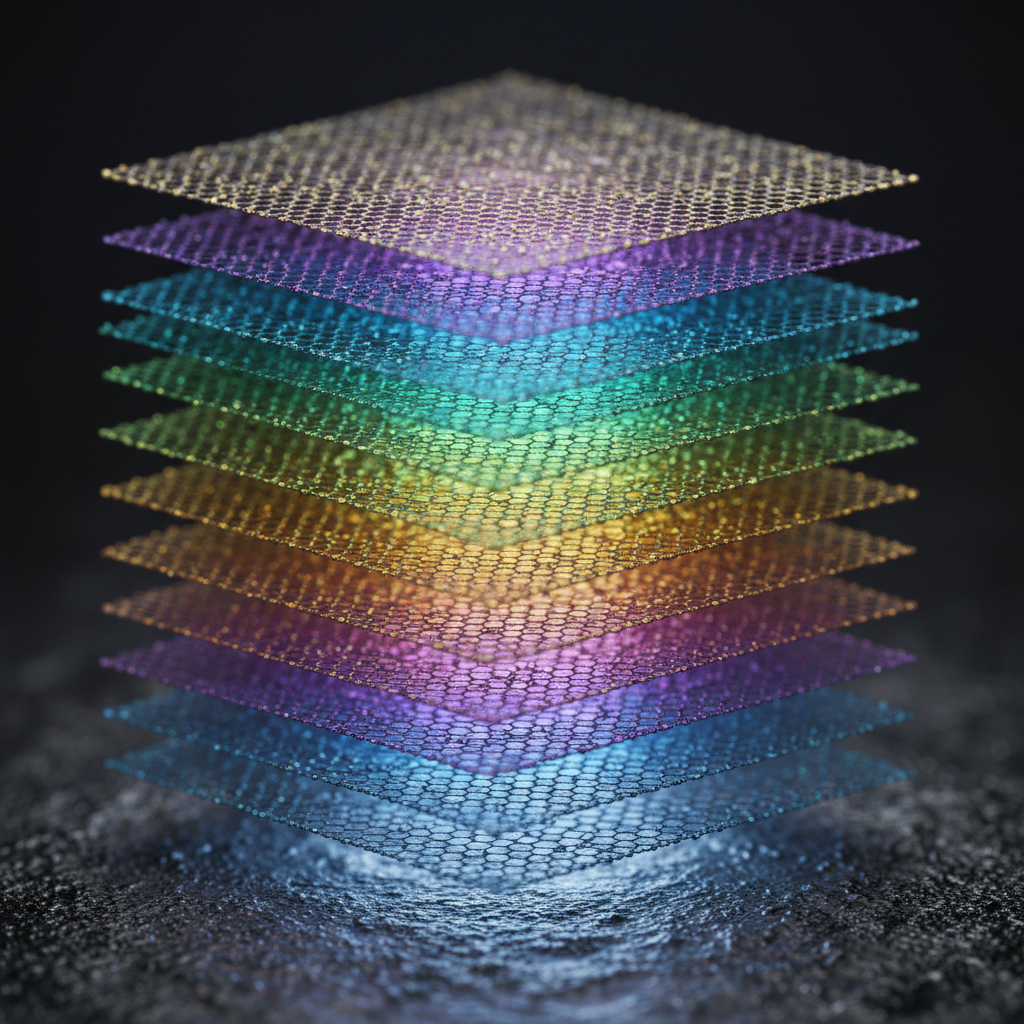
Building Solar Cells One Atomic Layer at a Time
By stacking atomically thin crystals, researchers are turning interfaces—not just materials—into the engine of solar innovation.

High-Entropy Alloys Are Turning Materials Discovery Into a Search Problem
The field’s central challenge is no longer making exotic alloys, but finding which combinations of elements produce properties that conventional intuition never predicted.
Glass Is Made by Freezing Disorder—Not by Making a Slow Liquid
Modern glassmaking turns a flowing melt into a rigid, noncrystalline network whose physics still challenges the simple solid–liquid divide.
Programmable Matter Needs a Mechanical Language
A practical route to self-reconfiguring materials may be a population of simple units that sense stress, exchange energy, and rewrite their own bonds.
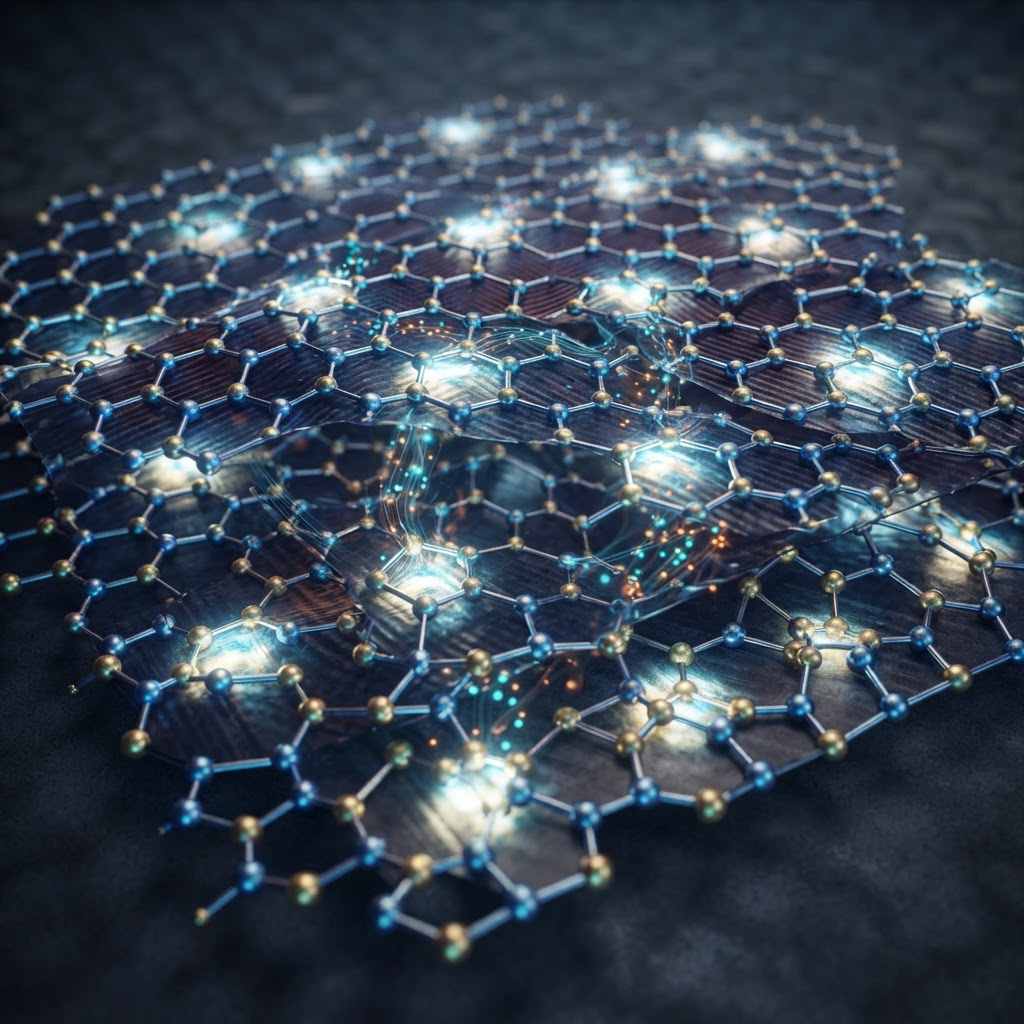
Twistronics Unpacked: How van der Waals Heterostructures Make Correlated Electrons Tangible
A tiny twist between atomically thin layers turns simple lattices into designer quantum matter — and many crucial pieces of that engineering are routinely underestimated.
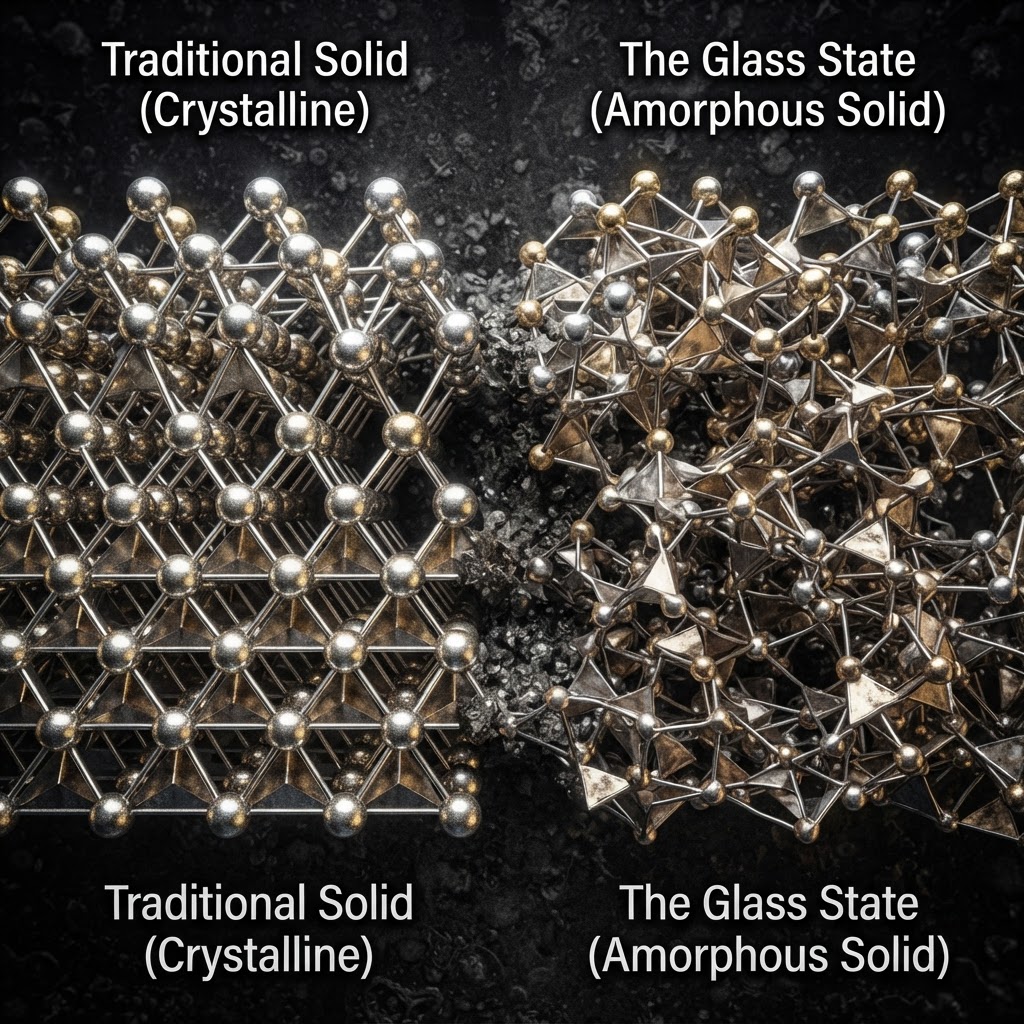
How Glass Is Made — and Why It’s Neither a Traditional Solid Nor a Liquid
Modern experiments and simulations show glass is a frozen, non‑equilibrium liquid-like state whose rigidity arises from arrested motion, not crystalline order.

Less Dependency, More Resilience: The Physics of Right-Sized Infrastructure
Designing systems at micro scales—limiting coupling and avoiding single points of failure—yields quantitatively superior resilience per material input than naive centralized scaling.

Perovskite–Silicon Tandems Top 33% — Why Module-Level Coherence Trumps Cell Headlines
A new lab champion has nudged tandem cells past 33% efficiency — but the decisive barrier is aligning cell performance, manufacturing, and system design at module scale.

Edge of Order: How Topology Made Surface Electrons Immune
A century of band theory and a late-20th-century twist gave materials a new kind of robustness — surfaces that conduct because their bulk is topologically distinct.

Bending Heat Around Objects: The Physics and Promise of Metamaterial Thermal Cloaks
By engineering materials with spatially graded thermal conductivities, physicists have learned to steer heat around obstacles as smoothly as a river diverts around a stone — and the implications reach from microelectronics to energy harvesting.
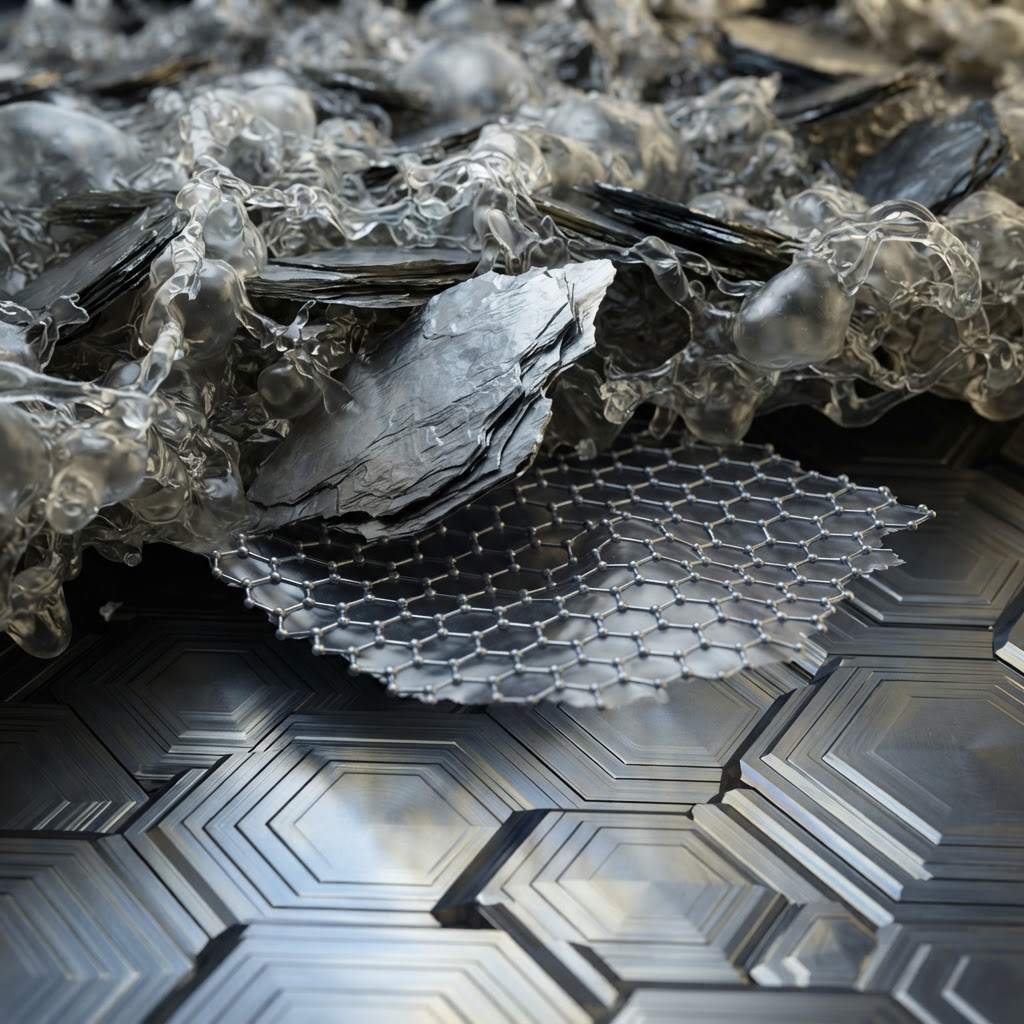
How Scotch Tape Won a Nobel Prize: A Testable Hypothesis for Adhesive-Directed Exfoliation of Graphene
The humble adhesive peel is not luck — it is a physical selection mechanism that enabled isolation of pristine graphene and can be engineered into predictable, scalable exfoliation.
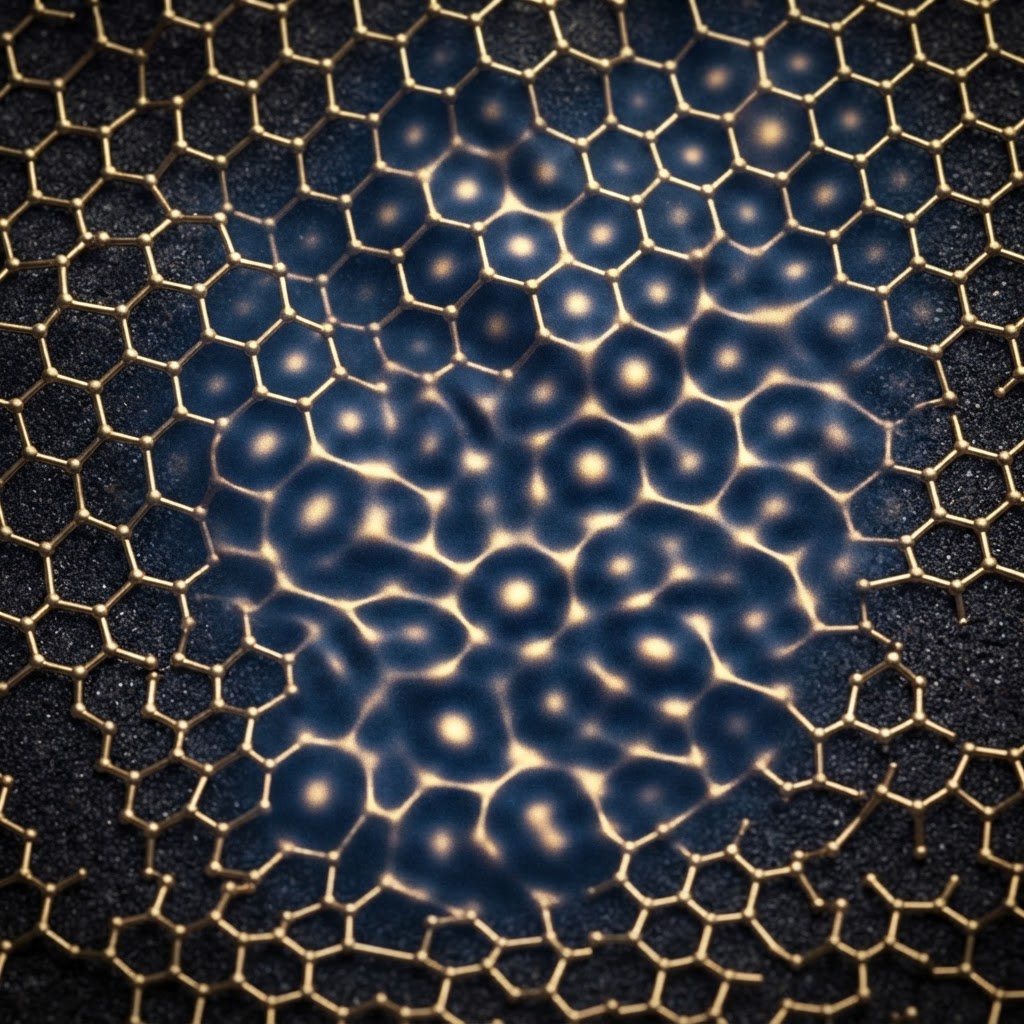
Twistronics' Hidden Parameters: Why Moiré Magic Is Fragile—and Remarkably Tunable
Beyond the catchy 'magic angle' headline lies a thicket of microscopic knobs—strain, relaxation, screening and topology—that actually determine whether moiré electrons corral into exotic quantum phases.